
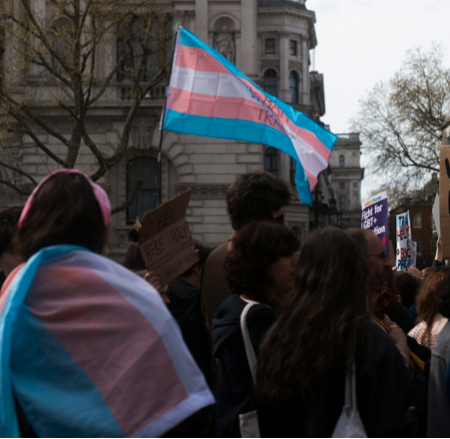
Conditional Dignity: When Trans Lives Become a Debate
Britain has promised to protect trans people's dignity for eight years. In that time, hate crimes have risen 52%, a 20-year-old died after waiting 1,023 days for her first NHS appointment, and the law still treats dignity as something that depends on where you happen to be standing. Sebastian Willatgamuwa asks what inherent dignity means when institutions keep making it feel conditional.
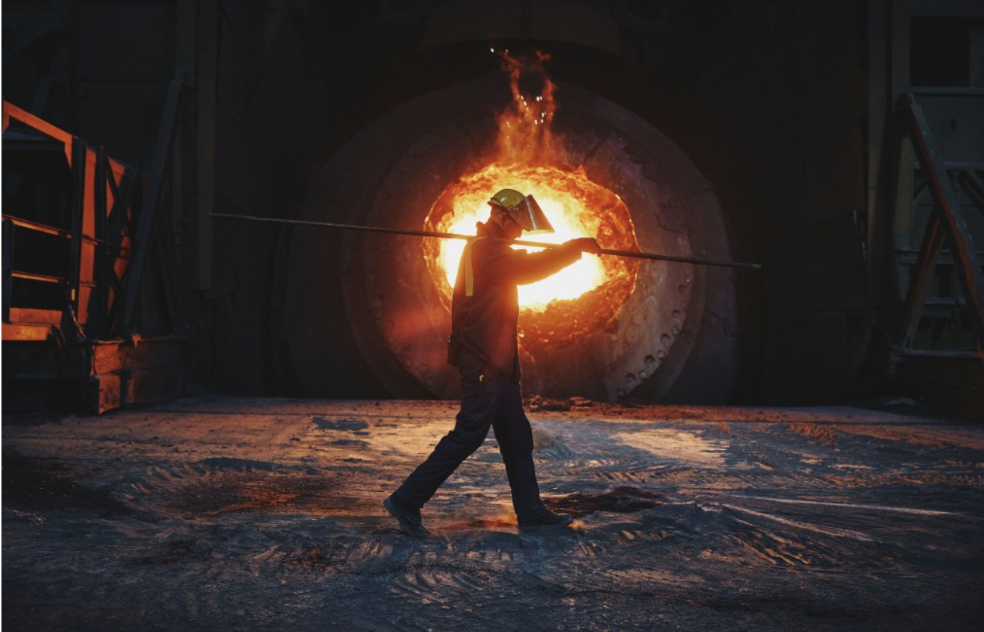
British Steel: Electric, Coked, Nationalised
Westminster's nationalisation of British Steel marks a turning point in the debate over who should control Britain's critical industries. With 69,000 jobs at stake, a billion-pound compensation dispute with China, and the taxpayer now bearing all the risk, this is a gamble with consequences far beyond Scunthorpe.
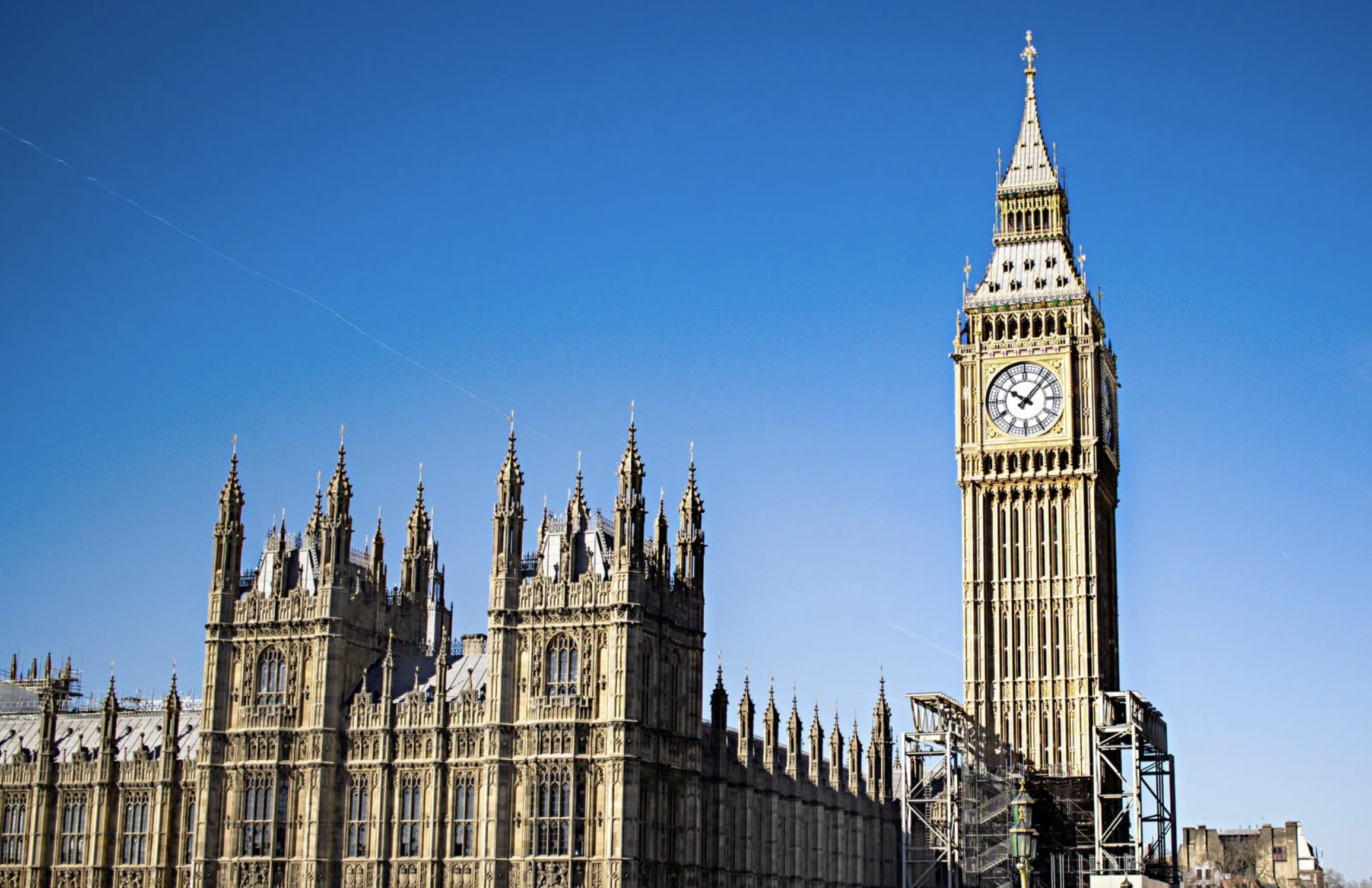
Why Conservatives Should Welcome a More Plural Parliament.
Since 1950, Conservatives and Labour have never held a smaller share of Parliament. Aaron Larkin argues that rather than a sign of democratic decay, the rise of smaller parties and independents is evidence of a healthier, more competitive politics that conservatives should welcome, not fear.

Britain’s AI Ambitions Are Running Ahead of Its Grid
Britain is encouraging an AI infrastructure boom before settling how its electricity system will accommodate it. With 140 proposed data centres seeking more grid capacity than the country's entire peak demand, the question is not whether the UK wants to lead in AI, but whether its energy policy can keep up.

The Opportunity Gap: Scotland's Real Education Crisis
Scotland has spent £1.75 billion trying to close the attainment gap and barely moved the needle. Struan Robson argues the real problem is the opportunity gap: the subjects, experiences, and career pathways that students in deprived areas never get access to in the first place.

The Spectacle State
Britain spends millions hosting major sporting events and calls it national renewal. Meanwhile, pubs are closing at a rate of two a day, youth centres have been cut by two thirds, and the places where belonging is actually built are disappearing. Sebastian Willatgamuwa asks what happens when spectacle replaces civic life.
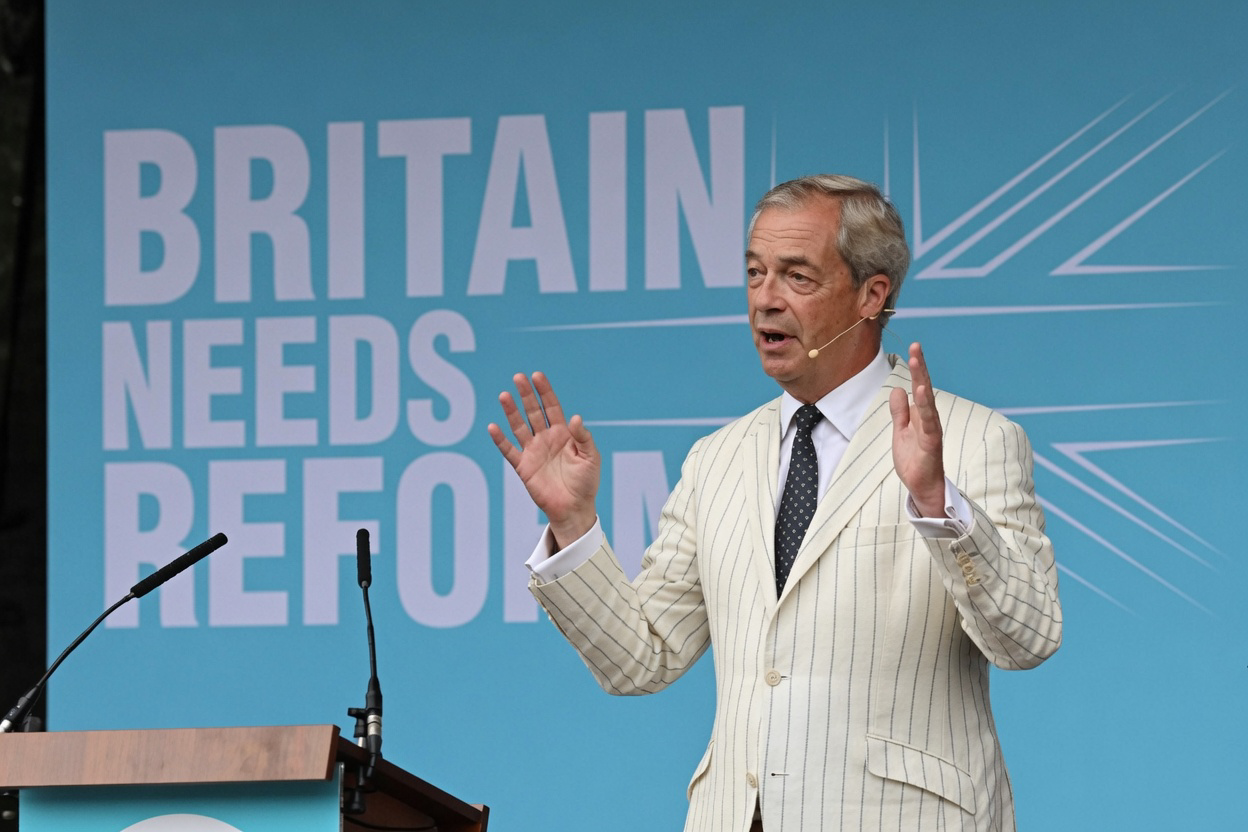
Clacton Decides – Will Farage’s Gamble Pay Off?
Nigel Farage has triggered a by-election in Clacton to shore up his mandate, but with no major parties standing against him, his chief rival is Count Binface. With 34 candidates and turnout set to fall, does this contest carry any real political weight?
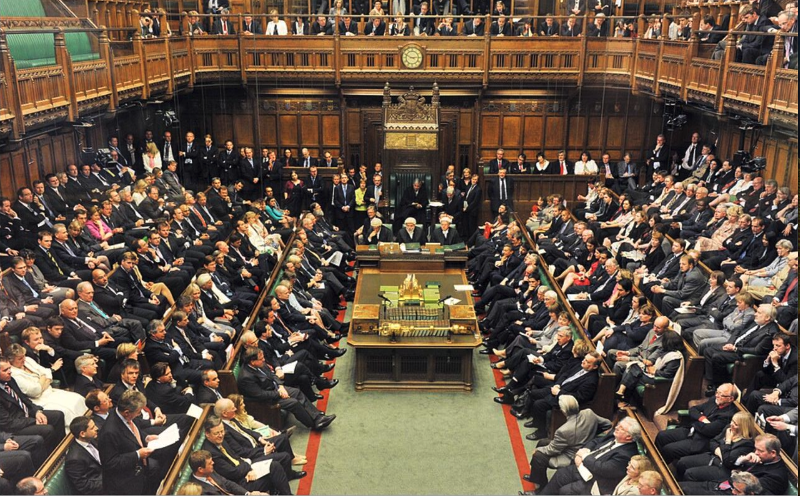
Is Britain a Democracy?
Six prime ministers in a decade, a new PM with no leadership race, protest rights being gutted, and a government that overrides its own parliament. Kisakye Busuulwa asks whether Britain can still call itself a democracy.

The NHS Isn’t Failing. It’s Been Failed.
Emily Chesterton was 30 when she died after seeing someone she believed was a doctor. 33,000 doctors competed for fewer than 13,000 training posts this year. The UK has one of the lowest doctor-to-patient ratios in the developed world. Sebastian Willatgamuwa argues the NHS isn't failing — it's being failed by decades of political choices that neither the Right nor the Left are willing to honestly confront.
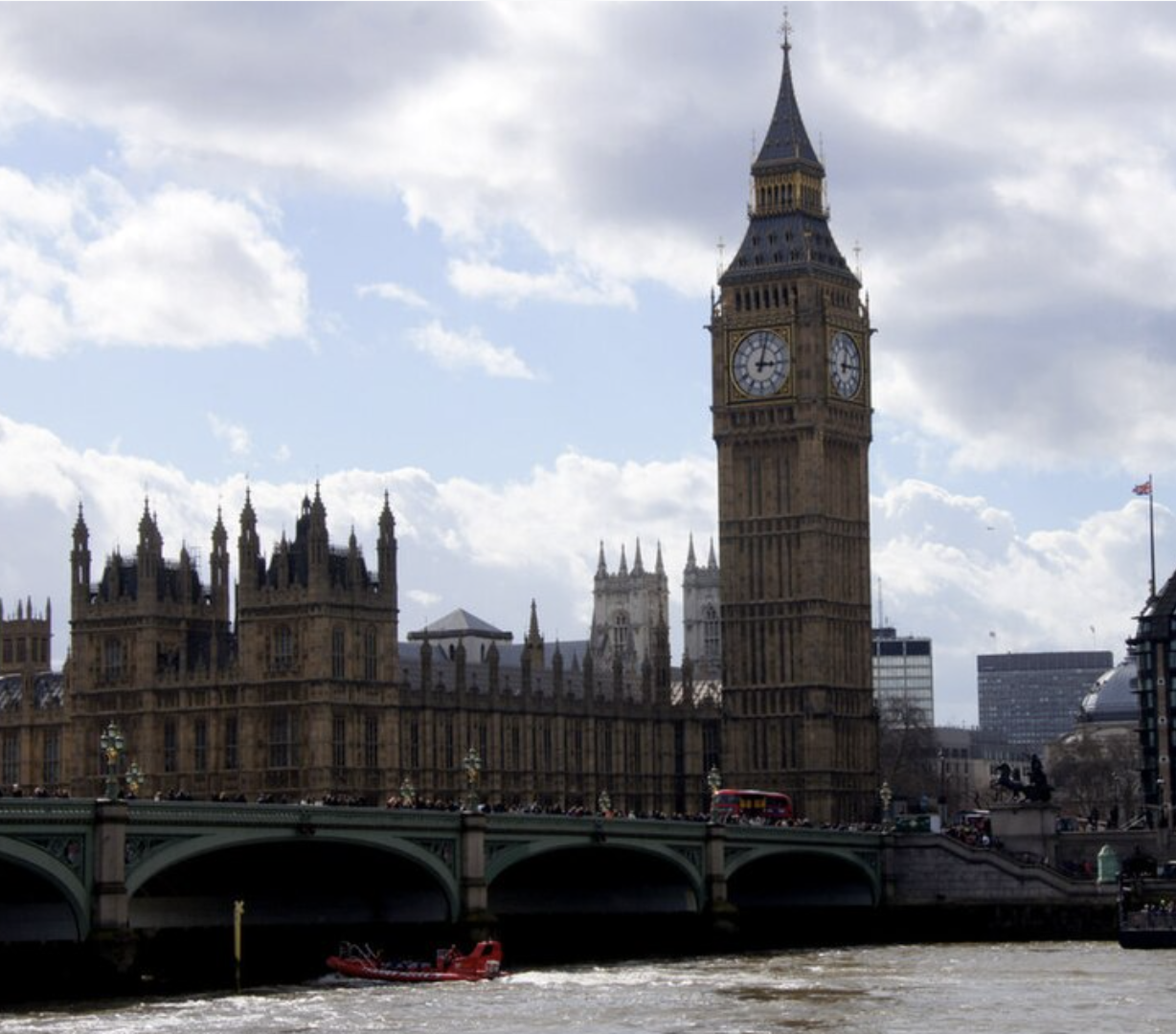
Has Britain become ungovernable?
A fragmented electorate, economic stagnation, and a political class addicted to undeliverable promises have made Britain harder to govern than ever, but the real failure is leadership, not the country itself.
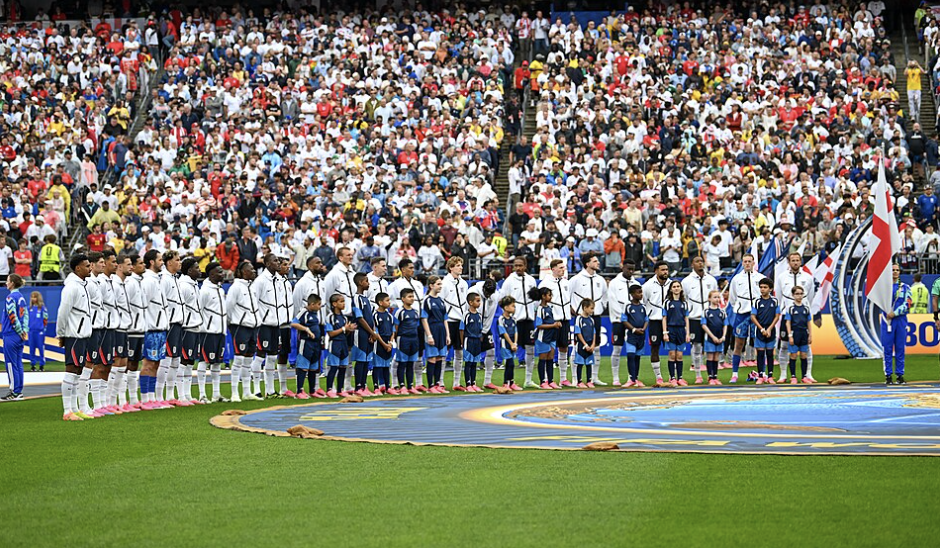
The rise of domestic abuse during the World Cup in England
Domestic abuse reports surge by up to 47% during major football tournaments, yet the government's plan to protect victims won't be fully in place until 2029.

Tally Politics: A New Kind of Political Platform
I launched Tally Politics in June 2026 from my university room. This is why.