

How the Conservatives are Reclaiming the Right
In his latest article, Joseph Mattison argues that the battle for the British right is competitive again. After the 2024 election left the Conservatives with just 121 seats, Reform UK surged ahead in the polls. But Kemi Badenoch's conference speech, a philosophy of governance set out in The Right Way, and growing scrutiny of Reform's conduct have put the Tories back in front in recent YouGov polling. Joseph asks whether the Conservatives can reclaim the right, or whether their newfound confidence is just another false dawn.

Irish reunification: on the cards?
s support for reunification rises and Brexit reshapes Northern Ireland’s political landscape, Isabel Lowe examines whether a united Ireland is becoming a realistic prospect. With 34% now backing reunification and 60% saying it’s time to start planning, the question Westminster once dismissed may be harder to ignore.
The Danger Reform UK’s Policies Pose to Women
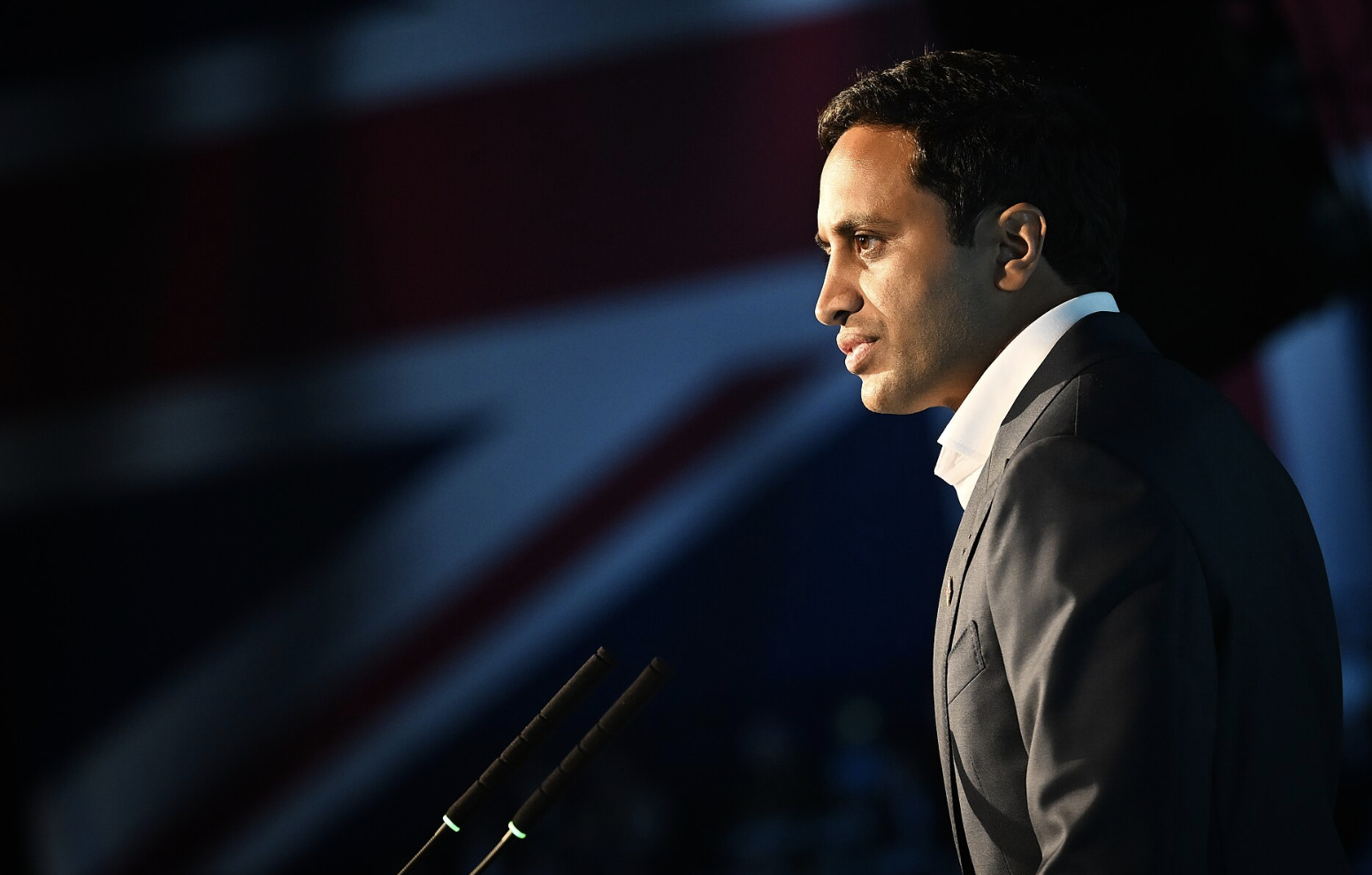
Reform UK plans to scrap the Equality Act 2010, leave the ECHR, and abolish the Human Rights Act. In the first quarter of 2026 alone, 1,535 sex discrimination claims were made to the employment tribunal. Over half of LGBT+ workers report workplace harassment. Lola Bingham asks what happens to the women, minorities, and disabled workers who depend on this legislation when the party promising to remove it could win the next general election.

SEN vs The State - How Governments Have Let Down Disabled Pupils
An "outstanding" school told a family it couldn't support their autistic son. Families without support are paying for private education they can't afford, not because they want to, but because they have no alternative. Connall Ivie examines how successive governments have turned SEN education into a political football while 133,000 autistic children in state schools pay the price.

Why Energy Security Belongs at the Heart of Britain’s Defence Strategy
A fire at one substation shut Heathrow and cut power to 70,000 homes. That was an accident. Now picture the same result achieved by design. Callum Oxley argues that Britain's real defence vulnerability isn't its weapons systems but its energy infrastructure, and that a country importing 43.3% of its energy with 13 days of gas storage is making a bet it cannot afford to lose.

The Summer Britain Should Have Taken Climate Change Seriously
Summer 2026 was the hottest in Britain's recorded history. 2,877 heat-associated deaths in just two months. The five hottest summers on record have all occurred since 2003. Joseph Mattison argues that the danger is not one extraordinary summer, but a political culture that treats each one as an isolated event and moves on the moment temperatures drop.

The US and the UK: is the Special Relationship Finally Breaking?
The US-UK ‘special relationship’ is facing growing tensions over foreign policy, defence, and European security. This article examines whether recent disagreements signal a temporary strain or a deeper shift in the foundations of the historic alliance.
Unveiling Northern Ireland’s ‘Brain-Drain’ Narrative
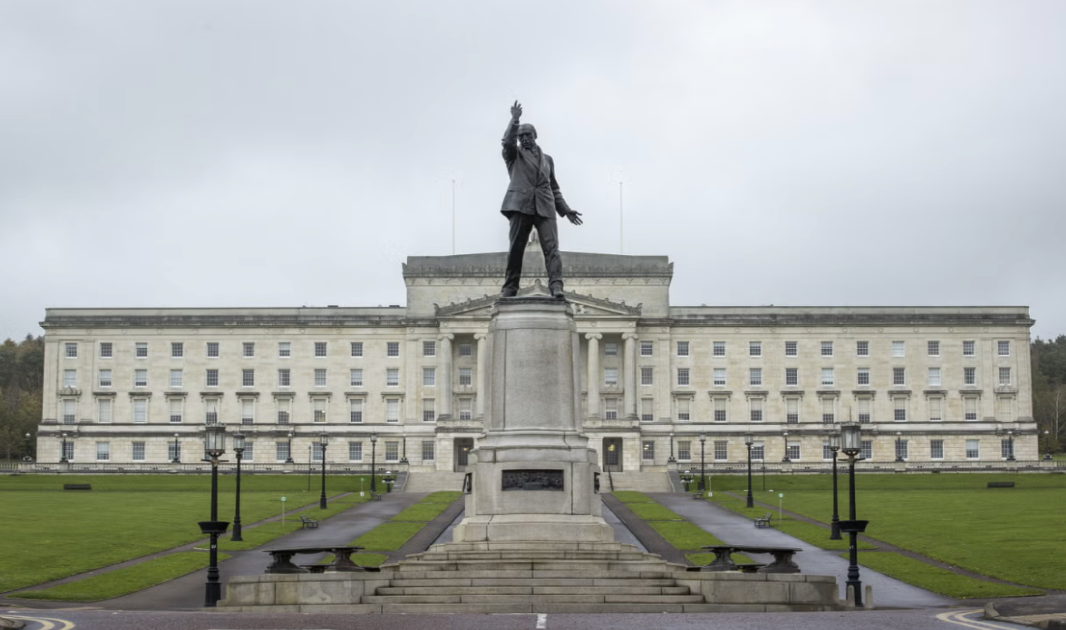
Is Northern Ireland really losing its young people, or giving them no reason to stay? Jacob Powell argues the 'brain-drain' is a distraction from Stormont's failure to build an economy worth staying for.
The End of the UK Youth Parliament: A Step Back in Youth Representation
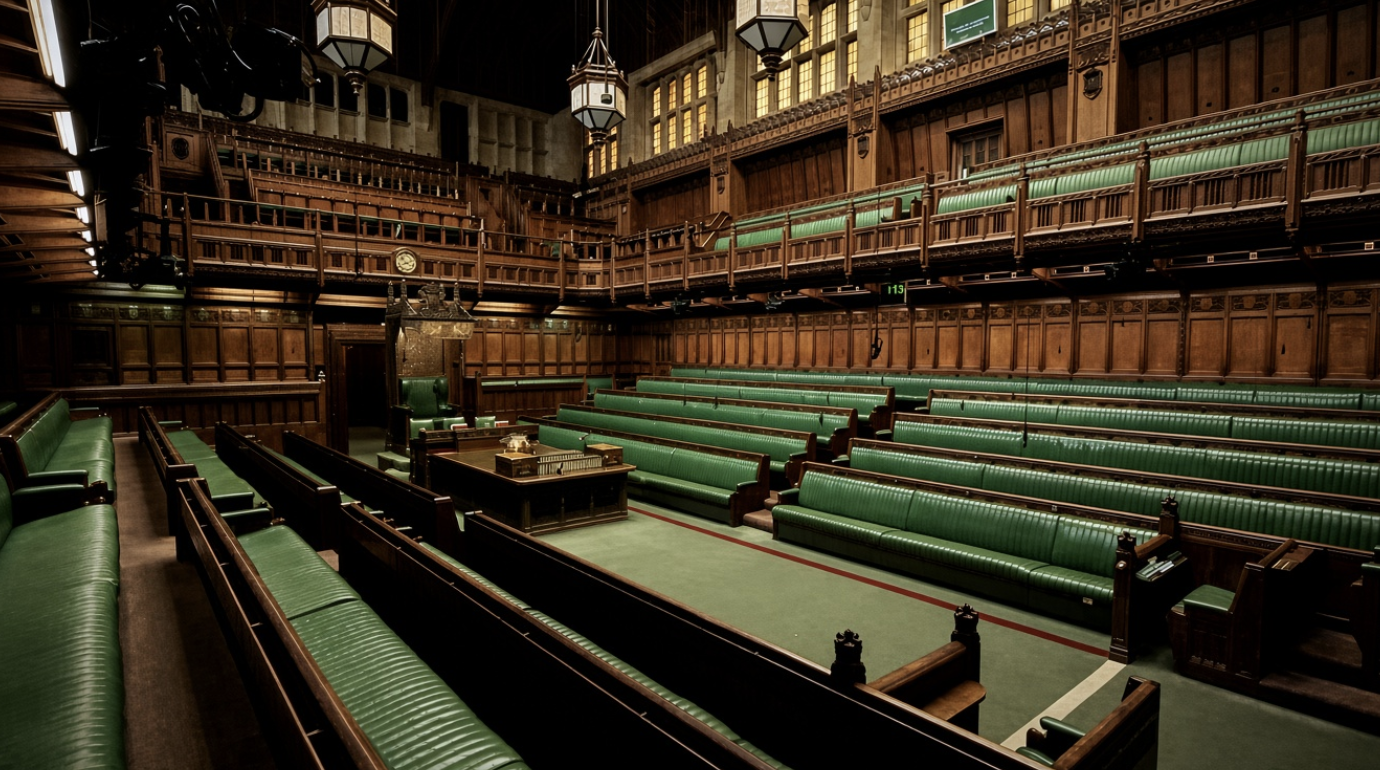
The UK Youth Parliament campaigned for Votes at 16, gave young people a seat in the House of Commons, and connected them with the politicians making decisions about their futures. The government's response? Cut its funding entirely. Kazim, a 17-year-old MYP for Birmingham, asks what it says about a country that extends the vote to young people with one hand and removes their only national platform with the other.

A Win for Freedom, A Win for Common Sense: Why Digital ID Had to Go
The government scrapped its £1.8 billion compulsory Digital ID scheme and called it common sense. An e-petition against it attracted almost three million signatures, the Home Affairs Committee called it rushed, and 1.5 million people in the UK are digitally excluded. Technology should make people's lives easier, not force everybody into the same way of interacting with the state
Is Burnham Doing Enough on Education?
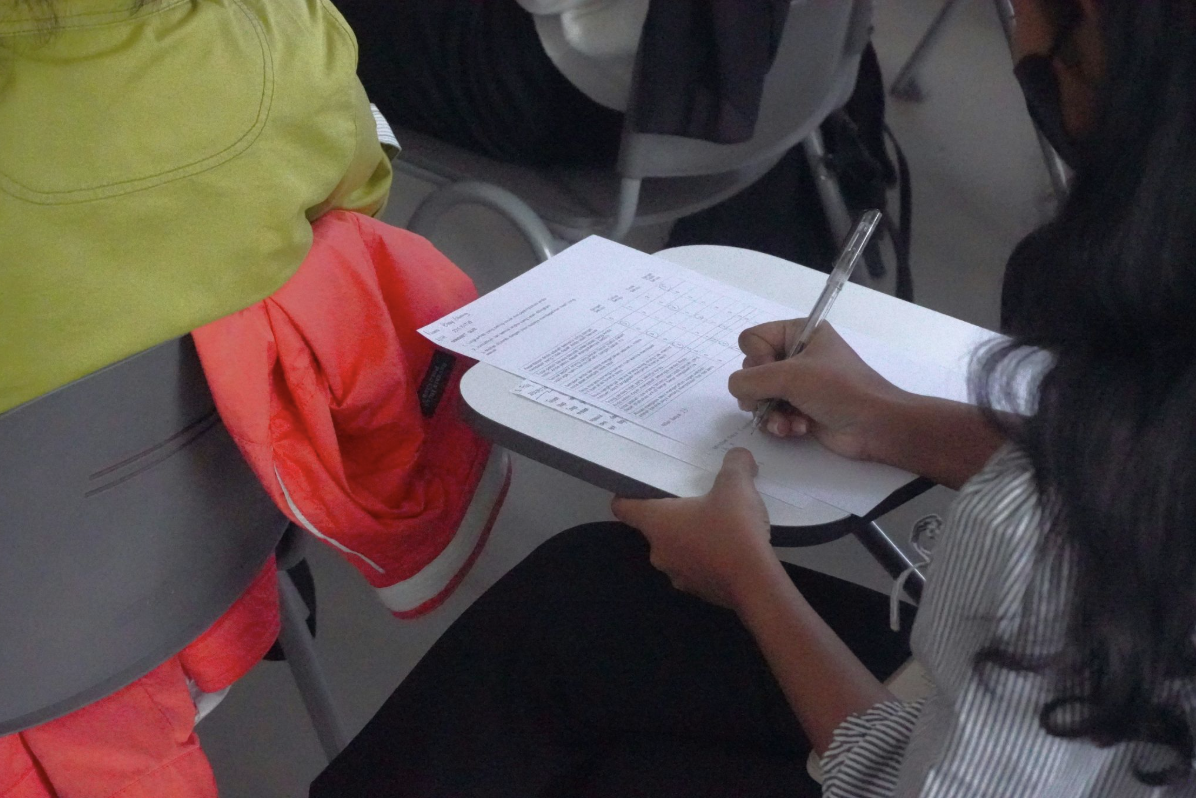
31.5% of students in the South East achieved As and A*s at A-Level. In the North East, just 22.9%. Andy Burnham's new technical qualifications won't fix that. Isabel Lowe argues that until the Thatcherite system of formula funding, league tables, and parental choice is reformed, any new policy will simply benefit the same middle-class children the current system already favours.
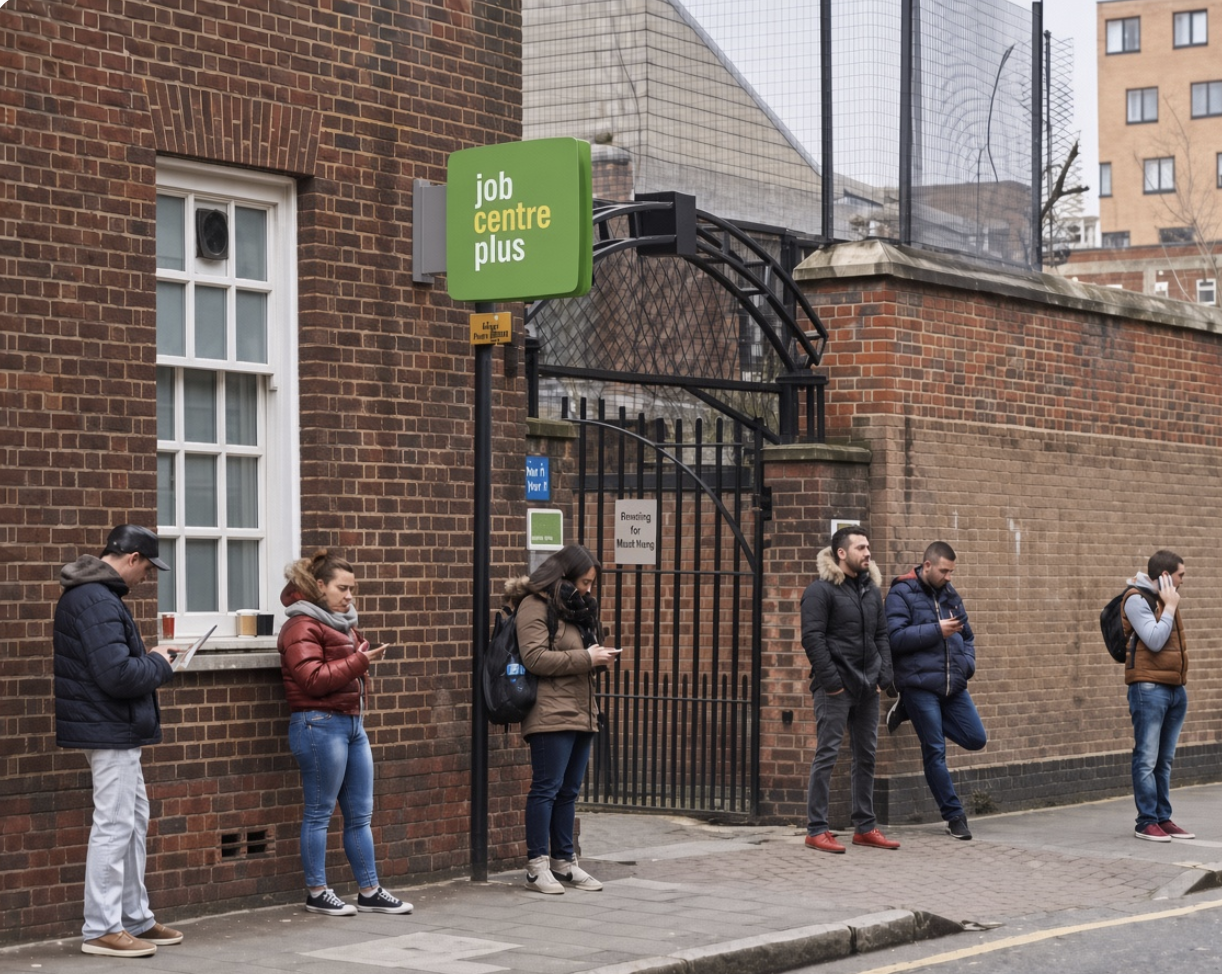
Is the UK simply against young people? It is starting to feel that way
Young people aren't lazy. They're applying for hundreds of jobs, being priced out of housing, and watching the government cut their ability to save while protecting pensioners' benefits. The system isn't failing young people by accident. It's working exactly as it was designed to.

Why is Identity Voting Problematic: A Case Study of Hongkongers in the UK
Almost 170,000 Hongkongers have come to the UK on a humanitarian scheme that exists because of what happens when democracy fails. Athena Siu, herself originally from Hong Kong, argues that voting for a candidate simply because "they are one of us" undermines the very democracy that community came here to find.

Free Speech Must Be Absolute: Robust Debate Is the Only Way to Combat Extremism
Banning hateful speech doesn't destroy it. It drives it underground and hands extremists their strongest recruiting tool: "If what we're saying isn't true, why are they so afraid of letting us say it?" Roman Kireev argues that free speech has to be absolute, not because every opinion deserves respect, but because robust debate is the only way to defeat the ones that don't.

Is Burnham's pragmatism on climate change really that pragmatic?
86% of Britons now see climate change as at least partially responsible for this year's deadly heatwaves. Andy Burnham's response has been to cut electric vehicle targets, float North Sea drilling, and fast-track gas-fired AI data centres that will emit more carbon than ExxonMobil's entire UK operation. Frankie Blake Greenslade asks whether Burnham's "pragmatism" on climate change is really pragmatic at all.

Britain Doesn’t Have An Immigration Problem. It Has An Honesty Problem.
Net migration hit 944,000 in 2023. Health and Care Worker visas were cut by 51% in a single year. Nursing visas down 73%. Yet the domestic workforce being trained to replace them won't exist for another decade. Politicians keep promising lower numbers while the country quietly bears the consequences of a debate nobody is willing to have honestly.

Andy Burnham Pledges to End Rough Sleeping: But What Is His Plan and Will It Work?
Andy Burnham has pledged to end rough sleeping by Christmas. Life expectancy for rough sleepers is between 42 and 44, the cost to the government is over £20,000 per person per year, and Housing First has an 80% retention rate worldwide. The ambition is there, but can it survive beyond the media's attention span?
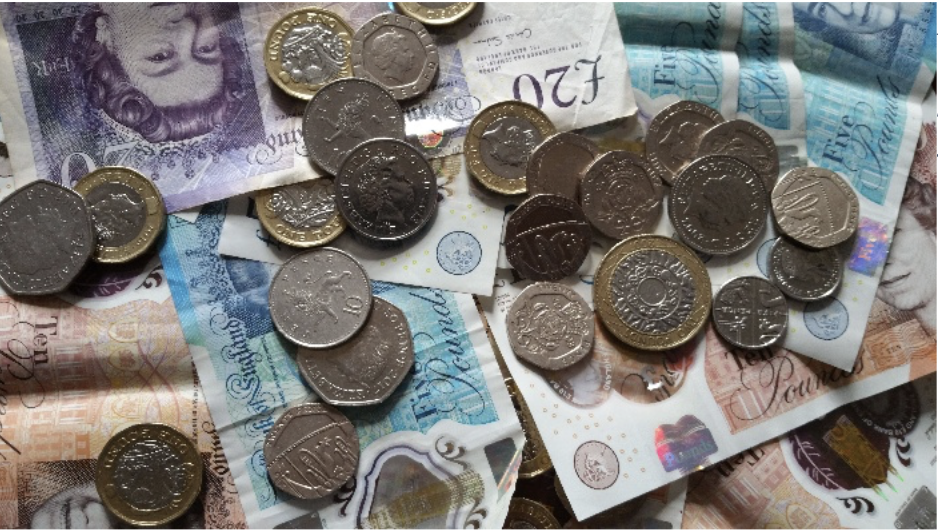
The Student Loan Scam
The average student graduates with £53,000 of debt from a largely unregulated body, 10% are forced into using food banks, and the system charges those from the poorest backgrounds the most. The English student loan system was supposed to make university accessible to everyone. Instead, it has become a scheme that actively works against the people it was designed to help.

Why Britain Needs Burnham’s Education Revolution
Britain has more graduates than ever, yet 87% of skill-shortage vacancies are caused by a lack of technical and practical skills. Andy Burnham wants to change that by making technical education mainstream. The question is whether Westminster can finally value the hard hat as much as the graduation cap.
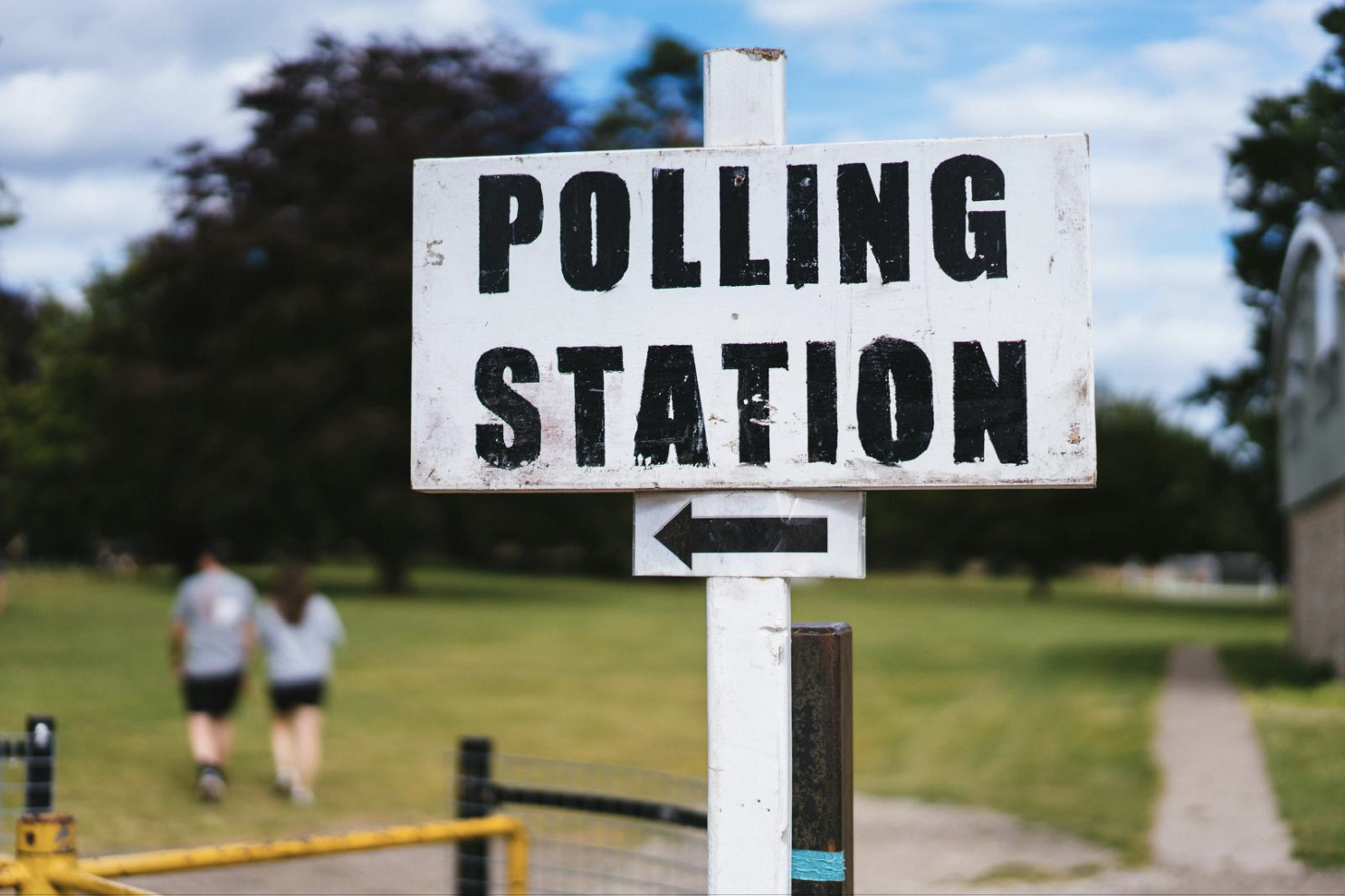
Why Gen Z Is Losing Faith In Britain’s Traditional Parties
Only 56% of Gen Z voted in 2024, the lowest turnout of any demographic. But the problem isn't apathy. It's a generation that cares deeply about politics but has lost faith in the parties that keep ignoring them, driving them toward the Greens, Reform, and the margins of a system that offers no reward for their vote.