Britain is cutting its cheapest form of defence to pay for its most expensive.
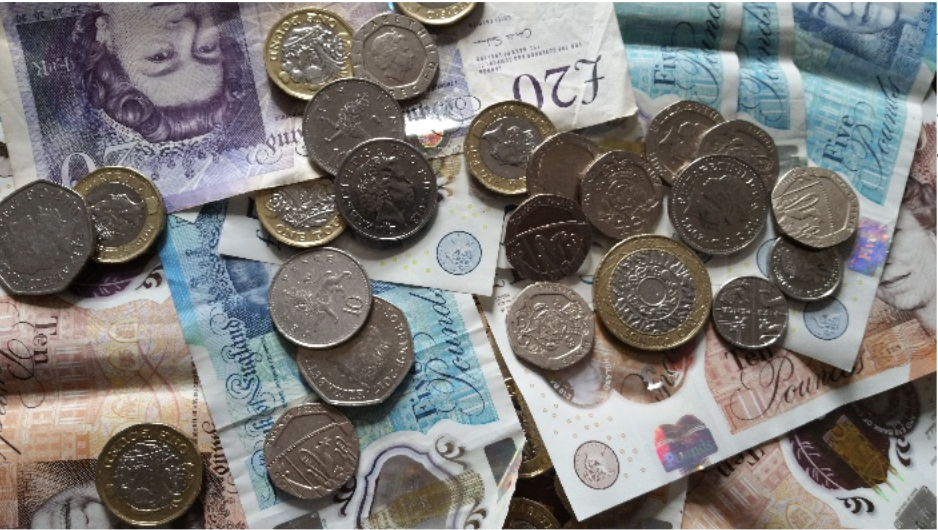
On the 25th of February 2025 then Prime Minister Sir Keir Starmer outlined plans to increase defence spending to 2.5% of GDP by 2027. To do so, he said, he would cut the FCDO’s foreign aid budget from 0.5% of gross national income to 0.3%, a cut projected to leave annual aid spending around £6.1bn lower than it would have been under the previous target. This decision was a reversal of previous Labour party policy; in 2021, Labour MPs including Starmer voted against the Johnson government’s foreign aid cut, which brought it down from 0.7%, a UN target, to the 0.5% it has remained at ever since.
The decision sparked the resignation of International Development Minister Anneliese Dodds, who warned in her resignation letter that the cut would “remove food and healthcare from desperate people - deeply harming the UK’s reputation” and weaken the British position in international bodies.
But did she perhaps miss a more relevant impact of this cut? While Dodds did point out this would likely lead to a UK withdrawal from numerous countries, allowing other powers to seize on the opportunity, she overlooked one crucial point raised by her colleague, Labour MP Sarah Champion: that overseas aid prevents wars in the first place, instead of the much more expensive alternative of fighting them when they do break out. Champion, chair of the International Development Committee, told the Commons in March this year: “ask any military person and they will say that the best line of prevention and first defence is our development money”, and called the choice between aid and defence a “false dichotomy”. Her argument is simple. Keeping people fed, safe and secure creates societies that are less likely to experience conflict and better able to hold their governments to account.
The US has already shown what happens. USAID programmes were effectively suspended under the second Trump administration within weeks of him taking office. A 2026 study of 870 regions across Africa found that where communities had relied most on American aid, conflict-related deaths rose by roughly 9% and battles by just under 7% once the money stopped. When aid is cut overnight, opportunities are lost and joining armed groups is seen as a much stronger alternative, while rebellion becomes more tempting as people have less to lose.
More research is needed, and the study shows a link rather than proof, with another analysis putting the rise nearer 5%. But Chatham House’s review of the wider research finds that well-designed aid can reduce violence, and that pulling it suddenly risks worsening instability- particularly within fragile states. That is exactly what Britain is doing.
The government’s case is a strong one. Then Foreign Secretary Yvette Cooper told the Commons that Britain faces “the most serious security situation for a generation”, with UK jets flying defensive operations in the Middle East and the carrier strike group preparing to head to the High North. In 2024 the Commons Defence Committee heard that the armed forces had been “hollowed out” since 2010, and would run out of capability within the first couple of months of a war with a power like Russia.
Voters wanted a stronger military, and the money had to come from somewhere. The public had little appetite for welfare cuts or more borrowing to pay for it, while polling found around two-thirds backed taking it from aid instead. Allies like Germany, France and Sweden made similar choices, and the government says it has protected funding for the most fragile, conflict-hit states such as Sudan and Ukraine, with the aim of returning to 0.7% when finances allow. Dodds herself accepted that defence spending had to rise.
But at what cost? The humanitarian cost is the most obvious: the FCDO’s own impact assessment, cited by Chatham House, warned that cuts to health spending risk more disease and more deaths. As Champion put it, “Girls in South Sudan will no longer have education, polio will surge.”
Extreme poverty and conflict are often the breeding grounds for terrorist organisations like the Islamic State, and for organised crime, and those problems rarely stay put. Even Cooper conceded in that debate that continued instability in Sudan “allows extremist groups to flourish”.
Then there is the vacuum left in countries the UK pulls out of. Adversaries such as Russia and China can readily exploit these gaps, align countries to their interests and challenge British interests and security. Many of the countries most exposed to these cuts are Commonwealth members, where Britain has long leaned on historic ties for influence. Those ties do far less work once the money and people behind them disappear, a point Conservative shadow minister Wendy Morton raised in the Commons, warning that Commonwealth partners could turn to China.
The fallout from more conflict also reaches Britain and its allies through displacement. Most refugees stay in neighbouring countries, many of which, like Kenya and Bangladesh, are Commonwealth partners already under strain, and if support for them dries up that instability can spread. Immigration and refugees have already become pivotal issues in the United Kingdom and Europe.
There is also a cost that is easier to miss. The FCDO is planning to cut between 15% and 25% of its staff by 2029. Champion asked MPs to spare a thought for the country directors having to go to people they have spent years building relationships with “to say that we are no longer standing by them financially”. Those relationships are a big part of British influence abroad, and they are far harder to rebuild than a budget line.
Reports did emerge in August that Prime Minister Andy Burnham and his Foreign Secretary, Ed Miliband, had privately agreed to increase the foreign aid budget again, but they are unlikely to do so until the fiscal situation allows. Britain is spending more on defence because it sees a more dangerous world. If aid is part of what keeps that world from getting more dangerous, cutting it to pay for defence may undermine the very security it was meant to buy.