
Morality as a Political Weapon
Politics has always been about disagreement; difference in opinion is the fabric of debate and democracy. But increasingly, disagreement online is treated not simply as a difference in opinion, but as evidence that someone is morally wrong.
The rise of social media as a prominent political tool breaks down the barriers of traditional sources of information, such as newspaper biases and access to information. Social media platforms such as Twitter, Facebook, TikTok allow people to rapidly share their views with large audiences meaning that opinions and beliefs from all points of the political spectrum are available.
While this evidently can strengthen democracy, it also makes modern politics more susceptible to the scrutiny of others’ moral belief systems- what people perceive as ‘good’ or ‘bad’, or ‘right’ and ‘wrong’. This has created an increasingly moralised online environment. As online networks grow, morality may become increasingly simplified, with users increasingly categorising individuals or groups as either ‘good’ or ‘evil’ rather than recognising their complexity.
How does this morality culture function? Put simply, algorithms reward evocative content. A 2017 study found that the presence of moral-emotional words in posts on X increased diffusion by around 20% for each additional moral-emotional word. When examining specific polarising moral issues such as gun control, same-sex marriage and climate change on X, researchers found that the usage of moral-emotional language tended to receive greater engagement. This term is coined moral contagion- more moral emotions equal higher likelihood to go viral. It is to be noted that whether positive or negative moral-emotional language is more likely to go viral is topic dependent, however, in an attention-driven online environment, these posts can receive greater visibility than more nuanced discussion.
The way moral and political ideas are communicated on platforms such as X act as an accelerant for existing social divisions. This is particularly important now as young people are becoming more polarised in the polls and increasingly radicalised online. This emotionally charged content often circulates within echo chambers (only hearing opinions similar to their own views), limiting scrutiny of opposing groups and thus creating a “biased informational environment”.
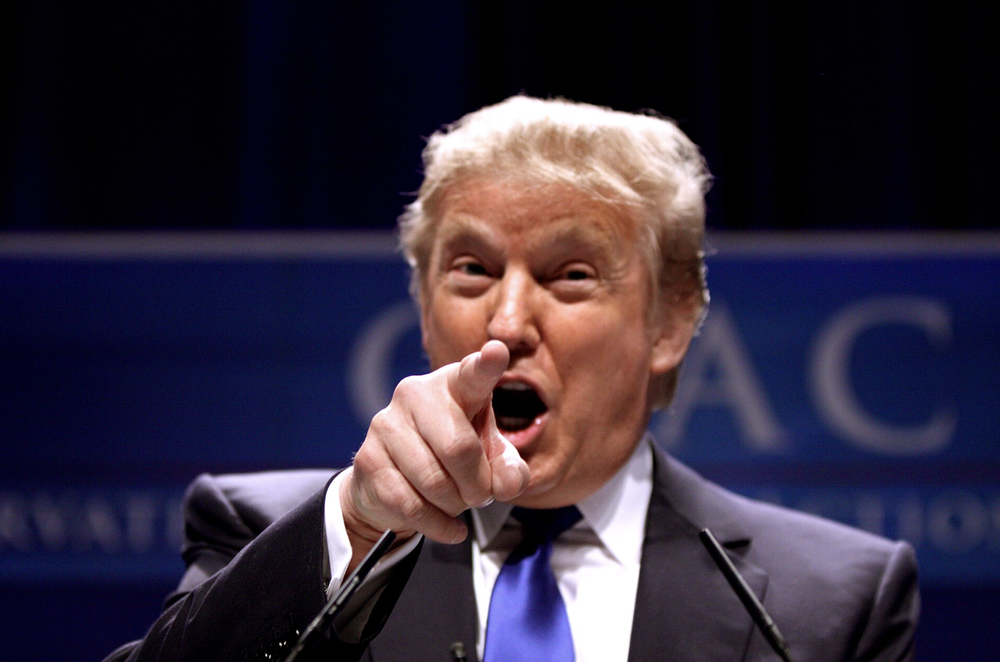
What is the real-life impact of this culture? Many politicians, and even nation states, have their own social media to share information with the public. It is easy to take advantage of such algorithms to consolidate voter-base and agenda. Some argue that Trump’s infamous twitter activity contributed to his success in 2016. Between his “entertaining” tweets, “twitter outrages”, his twitter is synonymous with the moral-emotional content rewarded and boosted by algorithms.
The same correlation is found in Nigel Farage. During the 2024 elections, the Clacton MP surpassed all other candidates in views and online interactions- Reformwent on to win a record 5 seats. With his style of content paired with the numbers, perhaps it’s more causation than correlation?
On another side, there is the issue of ‘moral grandstanding’. Moral emotions such as anger and outrage are important in politics because they are often caused by things people see as morally wrong. Unlike emotions about personal experiences, moral emotions can be felt about issues that do not directly affect us, such as injustice against other people. As moral outrage can become amplified online, users make emotionally charged that position themselves publicly on the side of what is perceived as morally good, rather than to engage with an issue or develop a policy solution.
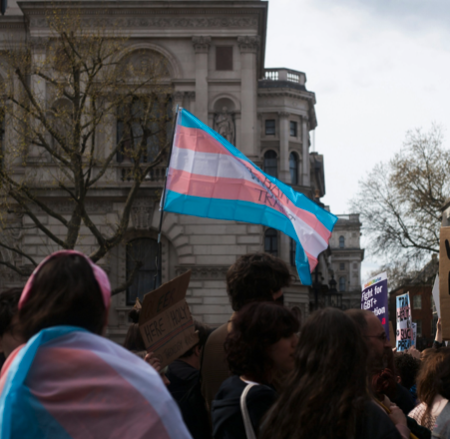
Both sides of the political spectrum can use social media to demonstrate moral commitment and portray their opponents as a threat to their values. However, the values being defended often differ. Progressive movements may emphasise equality and inclusion, while conservative movements place greater emphasis on tradition, national identity and social order. This may partially explain the success of far-right rhetoric on social media; morality culture emphasises the ‘us’ vs ‘them’ notion which is inherent to its ideology. They often use elements of wokeism, such as cancelling, to demonstrate the ‘threat’ that the values they uphold are under and to portray an image of ‘bravery’ against the consequences of being cancelled.
What happens if someone is deemed to be acting against what is typically ‘good’? Discussions of morality online are closely linked to debates around wokeism- being ‘woke’ refers to the state of being socially aware and attentive of injustices. But it has gained a negative reputation. According to a survey by Kings College London, just over a third (36%) of people would consider it an insult if someone called them woke, an increase from a quarter (24%) in 2020.
Critics of online “woke” culture argue that it can become underpinned by a sense of moral superiority, where disagreement is interpreted as ignorance or prejudice- it shuts down open debate under threat of ‘cancelling’ opponents and can have real life consequences. Cancelling refers to the act of withdrawing support for a public figure.
This is not to completely dismiss the fundamental beliefs and ideas of wokeism, as many of them pose valid concerns- social change is a positive goal. However, suppressing or punishing others for a point-of-view that does not align with the one that matches the algorithm is a setback created by morality culture.
There is nothing inherently problematic about morality influencing politics. Questions of equality, justice and human rights are moral questions. The problem emerges when political morality becomes simplified into a binary distinction between good and bad, leaving little space for disagreement or compromise.
Why is this important to discuss? Firstly, moralised echo chambers and algorithms contribute to polarisation in a way that damages democracy. Complexity is inherent in politics and there is not one solution that can adhere to everyone, therefore algorithm-driven exposure to like-minded viewpoints can undermine meaningful political debate by limiting engagement with opposing perspectives.
Secondly, moral grandstanding creates a political environment in which gaining public approval and defeating an opponent becomes more important than understanding an issue or developing effective policy. Users must be wary of simplifying issues into a ‘good’ or ‘bad’ side. Public trust in government remains at historically low levels. Engaging in debate and creating policy is more important than ever, especially as the cost of living means economic and social problems touch more of the population. In other words, more action is needed.
Read next
All articles


Every article here started with someone deciding their argument was worth writing down.