
Is Political Satire Still Relevant?
With roots stretching back to Ancient Rome, political satire has long been an important vehicle for political criticism, even as its form has continued to evolve. One of the defining moments in British satire came with the post-war boom, when publications and broadcasters transformed it from a literary tradition into a mainstream cultural force. Private Eye, for example, still sold more than 232,000 copies in 2025 to a readership of around 1.1 million. Yet circulation figures alone tell us very little. The more interesting question is not whether people still consume political satire, but whether it still performs the democratic role we often assume it does.
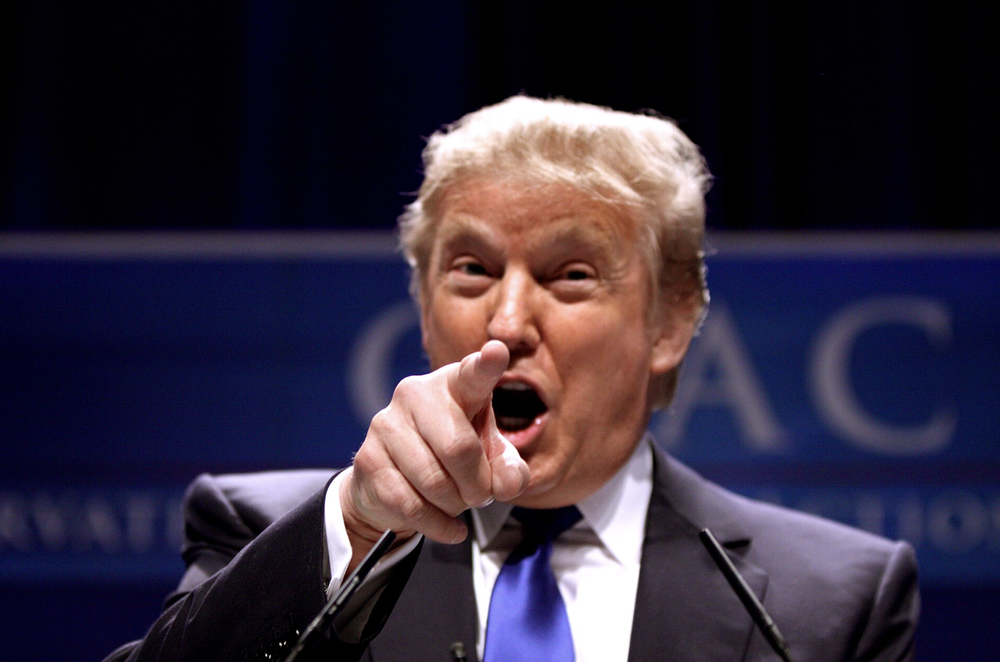
In 2026, however, the role of satire feels less certain. We have seen the president staging a wrestling match outside the White House, Count Binface contesting a by-election, in which both Labour and the Tories have stood aside, seven prime ministers in ten years, and political discussion becoming more and more polarised. The world we live in leaves us with the uncomfortable truth that politics often appears more absurd than any comedy a satirist could invent. This presents satire with a paradox:
What happens when exaggeration no longer feels like exaggeration?
When political headlines routinely read like parody, the challenge is no longer simply making audiences laugh. It is finding a way to reveal something about politics that reality itself has not already blatantly exposed.
To declare political satire obsolete would be to overlook how its purpose has evolved. The case of political satire is that its purpose has shifted. In the increasingly absurd world of modern politics, satire has had to act less as a creator of ridicule and more as a guide through it. The growth of social media has given a much wider audience access to political commentary or parody within seconds. Instead of waiting a week to read the latest edition of a favourite newspaper or catch up on the latest episode of Mock the Week, audiences can access the perspective of anyone they wish almost instantly. This does not erase the relevance of satire, but changes its format and accessibility. This comes with a notable change – anyone is able to create humorous political content. In this way, satire fulfils its purpose of challenging traditional deference to authority because what started as a matter confined to public school boys’ clubs is now freely accessible to anyone with internet access and an independent, critical voice.
This does not mean that satire answers all of its own questions. Regardless of who can create and enjoy satirical content, where satire used to challenge an establishment that once commanded respect, it now faces the challenge of criticising institutions and politicians that already suffer from extremely low public trust and, in many cases, ridicule and condemnation on mainstream social media. Poll after poll reveals that people are already cynical of politicians before a satirist has even written a joke. In this environment, satire can risk losing its significance by preaching to audiences who already agree with its messages rather than changing minds or holding power meaningfully to account.
However, the purpose of satire still stands - to question those in power - but rather than through comedy sketches, satire adapts perhaps more quickly than many politicians - in that it now flourishes more on social media and in short-form content than in comedy clubs. Perhaps, then, the question is not whether political satire is still relevant, but whether its nature has changed without us realising. It is no longer the sole outlet for political humour, nor does it possess the cultural dominance it enjoyed during the satirical boom of the 1960s. Instead, it exists alongside a vast amount of user-generated online commentary, competing not only with politicians and writers but with millions of ordinary citizens producing jokes in real time.
Perhaps the question was never whether political satire remains relevant. The real question is whether, in an age where politics increasingly performs itself, we have become so accustomed to seeing story after story about increasingly absurd political developments that we no longer recognise what genuine absurdity looks like. If satire still has a democratic role, it is not simply to make us laugh at politics, but to remind us that what has become normal should not always be accepted as such.
Read next
All articles


Every article here started with someone deciding their argument was worth writing down.